What Does a Funeral Director Do? A Comprehensive Guide

Compassionate Guidance

A funeral director’s primary role is to support families through one of life’s hardest moments. They offer calm, compassionate guidance from the first phone call, helping families understand next steps while providing emotional support during overwhelming grief. Their work blends empathy and professionalism, ensuring every family feels heard and cared for during arrangements and services.


Planning and Coordination

Funeral directors handle all logistical details - from arranging viewings, services, and burial or cremation plans to coordinating with clergy, cemeteries, florists, and musicians. They help families choose caskets or urns, personalize ceremonies, and navigate important decisions about timing, location, and cultural or religious customs. Their goal is to create a meaningful tribute that reflects the individual’s life.


Care of the Deceased

Behind the scenes, funeral directors oversee embalming, restorative care, dressing, and preparation to ensure loved ones are presented with dignity. They follow strict health, safety, and identification protocols and accommodate cultural or religious requirements for preparation.


Legal & Administrative Support

They manage essential paperwork such as death certificates, permits, veterans’ benefits, and Social Security notifications. By handling these responsibilities, funeral directors relieve families of complex tasks during an already difficult time.


Ongoing Support

Their care doesn’t end after the service. Funeral directors provide grief resources, coordinate memorials, and continue supporting families long after the funeral is over - a true commitment to compassion and community.

Read the full 10-page article. FREE Download for your convenience.

Click the button below.
DOWNLOAD NOW
November 6, 2025
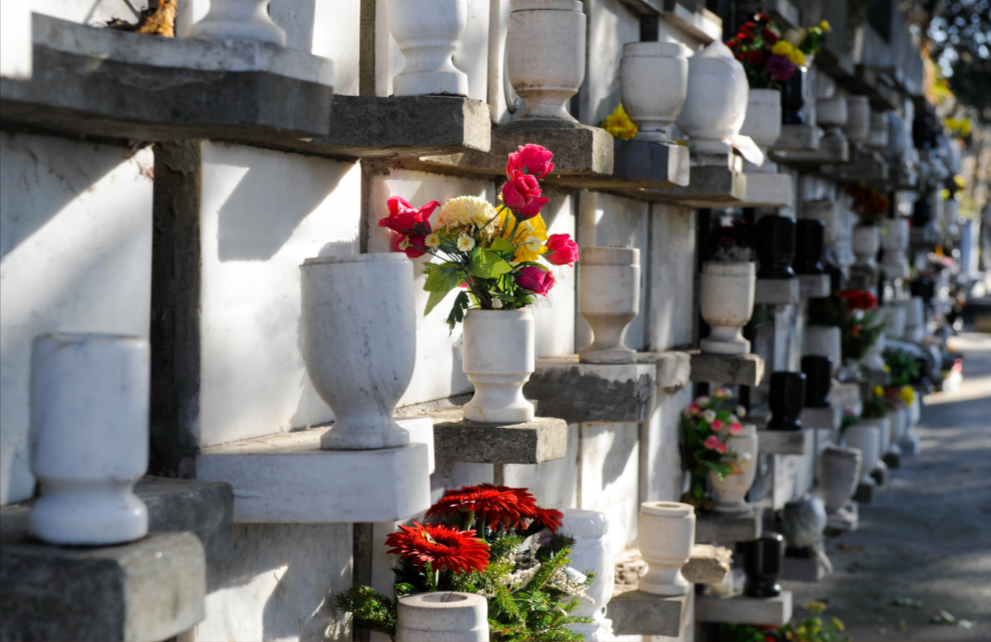
Exploring Resting Place Options Choosing a final resting place for cremated remains is a deeply personal decision. Traditional options include in-ground burial, urn gardens, and columbarium niches, which provide permanence and a marked location for family visits. Mausoleums offer elegant, above-ground entombment, while scattering gardens combine symbolic release with memorial plaques for ongoing remembrance. Creative and Eco-Friendly Alternatives Families increasingly consider unique memorials such as tree-planting urns, memorial reefs that support marine life, and glass art keepsakes . Cremation jewelry and memorial diamonds transform ashes into wearable tributes, while space burials offer extraordinary ways to honor adventurous spirits. These options allow personalization and environmental stewardship while creating lasting connections. Practical Considerations Decisions should reflect the deceased’s wishes, family needs, cultural or religious traditions, and budget. Costs range from simple home urns to high-end options like space flights or diamonds. Legal compliance is essential for scattering on private land, public parks, or waterways, and permits may be required. Ultimately, the goal is to create a meaningful tribute that offers comfort, accessibility, and permanence for generations.
November 6, 2025
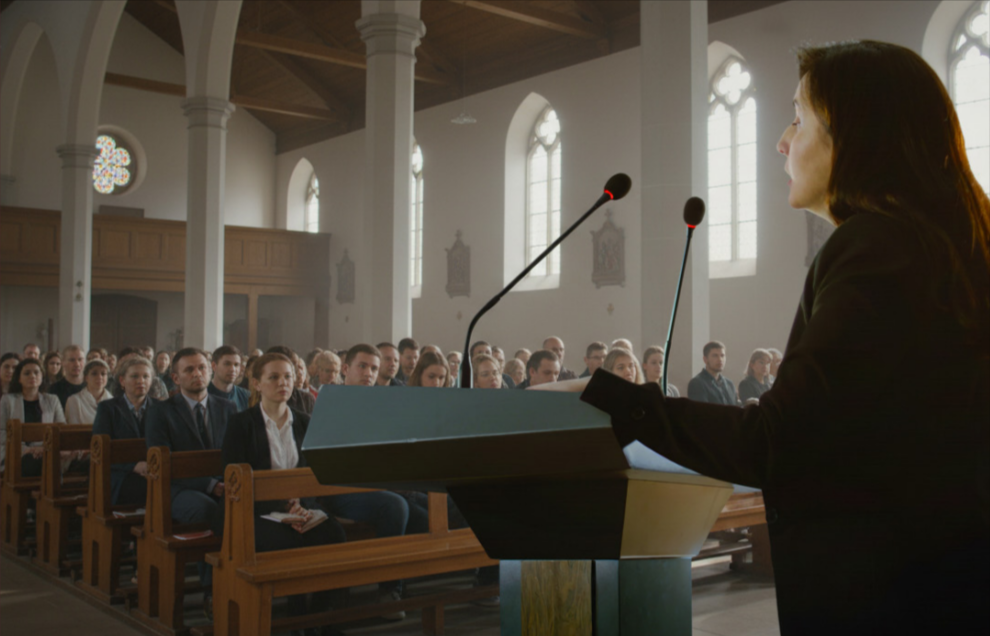
Understanding the Role of a Eulogy A eulogy is a heartfelt tribute delivered at a funeral or memorial service to honor and celebrate a person’s life. It acknowledges their passing, shares meaningful memories, and offers comfort to those grieving. Anyone close to the deceased-family, friends, colleagues, or clergy-can deliver a eulogy, and multiple speakers often provide a fuller picture of the individual. Writing a Meaningful Tribute Effective eulogies typically include an introduction, biographical highlights, defining qualities, and personal stories that illustrate character and values. The process involves gathering memories, identifying key themes, and selecting anecdotes that balance humor and emotion. Creating an outline helps organize thoughts, while writing in a conversational tone ensures authenticity. Aim for five to ten minutes when spoken aloud. Delivering with Confidence and Compassion Preparation is essential: practice reading aloud, bring a printed copy, and arrive early to familiarize yourself with the setting. Speak slowly, make eye contact when possible, and allow pauses for emotion. Begin by thanking attendees and introducing your relationship to the deceased; conclude by summarizing their essence, reflecting on their legacy, or offering a meaningful farewell. Above all, sincerity matters more than perfection-speaking from the heart provides comfort and honors a life well-lived.
November 6, 2025
Transforming Services into Personal Tributes Modern funerals have shifted from rigid traditions to deeply personalized experiences that celebrate individuality. Thoughtful personalization-through photos, memory boards, and displays of hobbies or achievements-creates a vivid portrait of a life well-lived. Themed decorations and color schemes reflecting favorite hues or passions add warmth and authenticity. Creative Touches That Honor Life Music plays a central role in setting tone, whether through curated playlists, live performances, or cultural traditions. Interactive elements like memory sharing, candle lighting, or collaborative art projects invite guests to participate meaningfully. Keepsakes such as bookmarks, seed packets, or recipe cards extend remembrance beyond the service, while memorial jewelry and wearable tributes offer lasting connections. Technology and Unique Venues Digital innovations, live-streaming, memorial websites, and QR codes-bridge physical and virtual spaces, ensuring distant loved ones can engage. Services held in meaningful locations, from gardens to theaters, reflect personal identity, while themed receptions featuring favorite foods and drinks deepen the sense of celebration. Charitable donations, living memorials, and creative casket or urn designs further personalize tributes, turning grief into enduring acts of love.