Resource Library

Exploring Resting Place Options Choosing a final resting place for cremated remains is a deeply personal decision. Traditional options include in-ground burial, urn gardens, and columbarium niches, which provide permanence and a marked location for family visits. Mausoleums offer elegant, above-ground entombment, while scattering gardens combine symbolic release with memorial plaques for ongoing remembrance. Creative and Eco-Friendly Alternatives Families increasingly consider unique memorials such as tree-planting urns, memorial reefs that support marine life, and glass art keepsakes . Cremation jewelry and memorial diamonds transform ashes into wearable tributes, while space burials offer extraordinary ways to honor adventurous spirits. These options allow personalization and environmental stewardship while creating lasting connections. Practical Considerations Decisions should reflect the deceased’s wishes, family needs, cultural or religious traditions, and budget. Costs range from simple home urns to high-end options like space flights or diamonds. Legal compliance is essential for scattering on private land, public parks, or waterways, and permits may be required. Ultimately, the goal is to create a meaningful tribute that offers comfort, accessibility, and permanence for generations.
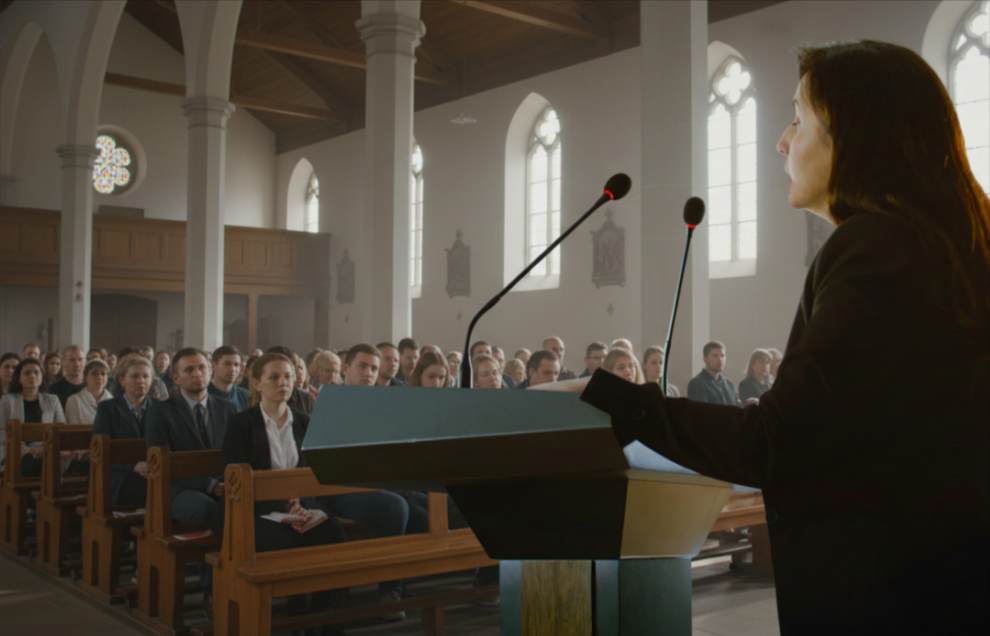
Understanding the Role of a Eulogy A eulogy is a heartfelt tribute delivered at a funeral or memorial service to honor and celebrate a person’s life. It acknowledges their passing, shares meaningful memories, and offers comfort to those grieving. Anyone close to the deceased-family, friends, colleagues, or clergy-can deliver a eulogy, and multiple speakers often provide a fuller picture of the individual. Writing a Meaningful Tribute Effective eulogies typically include an introduction, biographical highlights, defining qualities, and personal stories that illustrate character and values. The process involves gathering memories, identifying key themes, and selecting anecdotes that balance humor and emotion. Creating an outline helps organize thoughts, while writing in a conversational tone ensures authenticity. Aim for five to ten minutes when spoken aloud. Delivering with Confidence and Compassion Preparation is essential: practice reading aloud, bring a printed copy, and arrive early to familiarize yourself with the setting. Speak slowly, make eye contact when possible, and allow pauses for emotion. Begin by thanking attendees and introducing your relationship to the deceased; conclude by summarizing their essence, reflecting on their legacy, or offering a meaningful farewell. Above all, sincerity matters more than perfection-speaking from the heart provides comfort and honors a life well-lived.

Transforming Services into Personal Tributes Modern funerals have shifted from rigid traditions to deeply personalized experiences that celebrate individuality. Thoughtful personalization-through photos, memory boards, and displays of hobbies or achievements-creates a vivid portrait of a life well-lived. Themed decorations and color schemes reflecting favorite hues or passions add warmth and authenticity. Creative Touches That Honor Life Music plays a central role in setting tone, whether through curated playlists, live performances, or cultural traditions. Interactive elements like memory sharing, candle lighting, or collaborative art projects invite guests to participate meaningfully. Keepsakes such as bookmarks, seed packets, or recipe cards extend remembrance beyond the service, while memorial jewelry and wearable tributes offer lasting connections. Technology and Unique Venues Digital innovations, live-streaming, memorial websites, and QR codes-bridge physical and virtual spaces, ensuring distant loved ones can engage. Services held in meaningful locations, from gardens to theaters, reflect personal identity, while themed receptions featuring favorite foods and drinks deepen the sense of celebration. Charitable donations, living memorials, and creative casket or urn designs further personalize tributes, turning grief into enduring acts of love.

Navigating the First Steps Planning a funeral for the first time can feel overwhelming, especially amid grief. Immediate priorities include contacting medical professionals for official pronouncement and notifying a funeral home for transportation and care. Families should take time for private goodbyes before rushing into decisions, ensuring these early moments provide closure. Choosing the Right Support Selecting a funeral home is a critical step. Families should consider location, reputation, and available services while requesting itemized price lists as required by law. The arrangement conference typically occurs within 24–48 hours and covers service preferences, burial or cremation decisions, and merchandise options. Bringing essential documents and personal items helps streamline this process. Service Planning and Personalization Funeral services can be traditional, memorial, or celebratory, with venues ranging from chapels to meaningful outdoor spaces. Personal touches-such as favorite music, photo displays, and memory tables-create a tribute that reflects the deceased’s life. Families should also plan for legal tasks like ordering death certificates and filing benefits claims. Financial and Emotional Considerations Costs vary widely, but transparency and early discussions prevent surprises. Payment plans and assistance programs are available, and families should feel comfortable discussing budgets. Beyond logistics, funerals offer emotional healing, providing structure and community during loss. Ultimately, the most meaningful service balances tradition with personalization, honoring life while supporting those left behind.

Respecting Traditions in Times of Loss Funerals are solemn occasions that honor the deceased and support grieving families. Proper etiquette ensures respect and sensitivity, especially when navigating diverse cultural and religious customs. This guide highlights essential practices for attending services with dignity. Key Etiquette and Cultural Insights Arrive early, dress conservatively, and silence phones to maintain decorum. Participation in rituals-such as prayers or hymns-should align with personal beliefs while respecting family traditions. Faith-specific customs vary: Catholic services often include a funeral Mass and committal rites; Protestant services range from formal liturgies to celebrations of life; Jewish funerals emphasize simplicity and swift burial; Islamic traditions prioritize modesty and prompt interment; Hindu customs center on cremation and post-service rituals. Understanding these differences helps attendees show appropriate respect. Offering Comfort Beyond the Ceremony Express condolences sincerely, whether in person, through cards, or with memorial contributions. Practical gestures-like providing meals or assistance-offer meaningful support. Post-funeral receptions allow for shared memories, while ongoing check-ins in the weeks and months ahead remind the bereaved they are not alone. Ultimately, funeral etiquette is about compassion, presence, and honoring life in ways that bring comfort and connection.
Facing Funeral Costs with Confidence The average funeral in the U.S. costs between $7,000 and $12,000 -a significant expense for many families. Understanding payment options before the need arises can ease stress and help families make informed decisions during a difficult time. Exploring Payment Solutions Traditional methods include using savings, checks, debit cards, or credit cards, though interest charges can add long-term costs. Many funeral homes offer payment plans , allowing families to spread expenses over time. Insurance-based options-such as life insurance, burial insurance, and preneed policies-are common ways to cover costs, often with direct payment to the funeral home. Prepaid funeral plans lock in current prices and reduce financial burden later, while irrevocable plans can protect assets for Medicaid eligibility. Additional Resources and Assistance Families may also access government benefits like Social Security’s $255 death payment or Veterans Administration burial benefits. State programs, nonprofit organizations, and community support-including crowdfunding and religious assistance-provide help for those in need. Employer benefits, estate assets, and personal loans offer further alternatives. Ultimately, the best approach balances honoring a loved one with maintaining financial stability. Open communication with funeral directors ensures compassionate guidance and cost-saving options.

Navigating Funeral Planning with Confidence Arranging a funeral during grief can feel overwhelming, yet a well-planned service offers comfort and begins the healing process. A meaningful funeral honors the life lived, reflects personal values, and provides space for family and friends to gather and support one another. Decisions That Shape the Service Immediate steps include contacting a funeral home, securing a death certificate, and choosing the type of service- traditional funeral, memorial, graveside ceremony, direct burial or cremation, or celebration of life . Families must also decide between burial and cremation, considering cost, cultural traditions, and environmental preferences. Personal touches such as music, readings, eulogies, and visual tributes create a heartfelt experience. Creating a Lasting Tribute The most memorable funerals reflect individuality through hobbies, cultural traditions, and meaningful details. Options include themed decorations, tribute videos, charitable donations, and receptions for shared remembrance. Pre-planning your own funeral can ease future burdens and ensure wishes are honored. Ultimately, what matters most is crafting a service that provides comfort, celebrates life, and supports the grieving journey.

Preparing for Life’s Final Chapter End-of-life planning can feel overwhelming, but a clear roadmap helps families navigate legal, financial, and emotional responsibilities with confidence. A structured checklist ensures that wishes are honored and loved ones are spared unnecessary stress during an already difficult time. Essential Steps Before and After Death Advance planning includes creating a will, updating beneficiary designations, and documenting healthcare directives. Families should gather critical documents-birth certificates, insurance policies, property deeds-and discuss funeral preferences early. Immediately after death, priorities include contacting a funeral home, securing the home, notifying family, and arranging care for dependents. In the following days, focus shifts to service planning, legal notifications, and financial matters. Long-Term Responsibilities and Self-Care Estate settlement, tax filings, and property transfers often take months. Executors should maintain detailed records and seek professional guidance to avoid costly mistakes. Just as important is caring for yourself-accepting help, maintaining routines, and considering grief counseling. Thoughtful preparation not only honors the deceased but also provides peace of mind for those left behind.
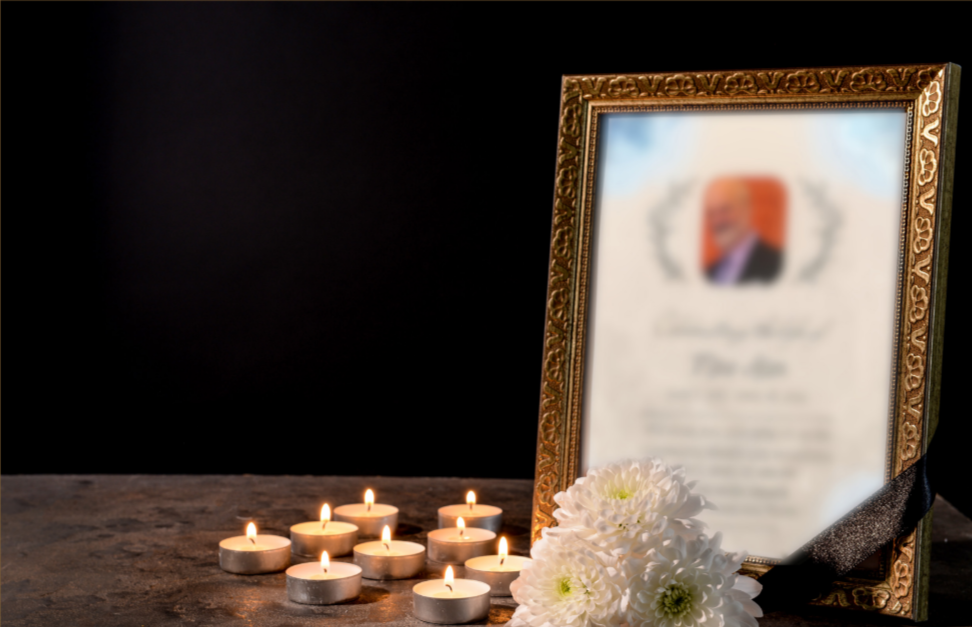
Crafting a Tribute That Lasts An obituary is more than an announcement-it’s a final gift that honors a loved one’s life and preserves their story for future generations. A well-written obituary offers comfort, celebrates individuality, and provides practical details for those wishing to pay respects. Steps to Create a Meaningful Obituary Start by gathering essential information: names, dates, family details, education, career, and personal passions. Choose a tone that reflects the person’s character-formal, warm, or lighthearted-and craft an opening that focuses on life rather than death. Use anecdotes and specific examples to bring personality to the narrative, and highlight relationships with heartfelt descriptors. Include service details and donation preferences clearly. Avoiding Common Pitfalls Keep the obituary concise yet personal-typically 200–500 words. Avoid generic phrases and excessive focus on illness; instead, emphasize what made their life unique. Writing an obituary can be a healing process, helping families share memories and celebrate a life well-lived. When done thoughtfully, it becomes a lasting tribute that comforts and inspires.
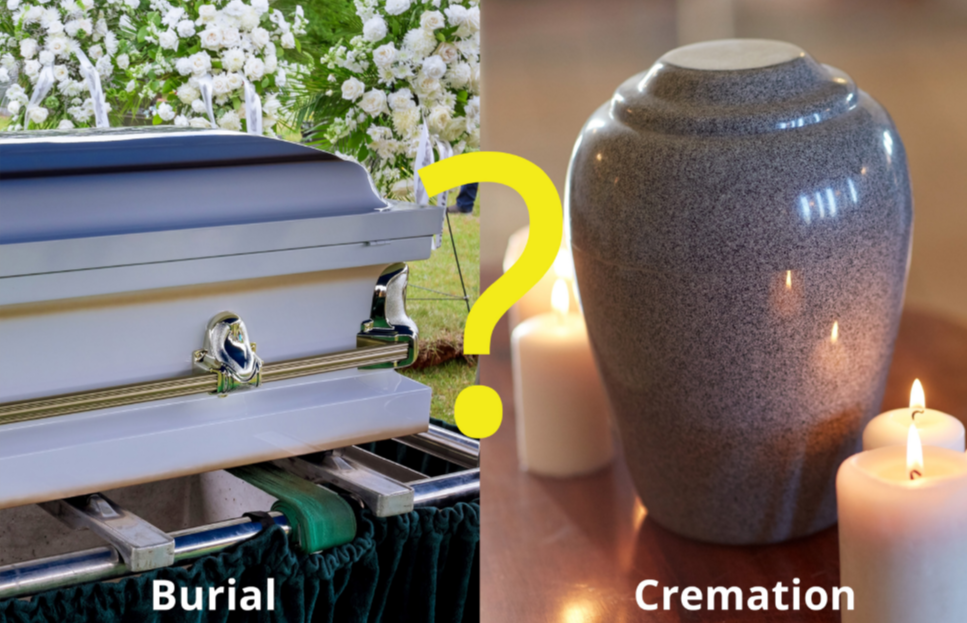
Making Sense of Burial and Cremation Choices Deciding between burial and cremation is deeply personal, shaped by beliefs, finances, and family traditions. Burial offers a permanent resting place and aligns with many religious customs, while cremation provides flexibility, portability, and often lower costs. Both options can honor a loved one with dignity. Comparing Costs, Traditions, and Environmental Impact Burial typically involves caskets, vaults, cemetery plots, and embalming, making it the more expensive choice. It offers familiarity and a physical memorial but requires ongoing upkeep. Cremation is generally more affordable and allows creative memorialization-from scattering ashes to keepsake urns-though some faiths discourage it. Families should also weigh environmental concerns, as green burial and water cremation are emerging alternatives. Planning Ahead for Peace of Mind Religious and cultural practices strongly influence these decisions, so consulting spiritual leaders and funeral professionals is essential. Pre-planning can ease emotional and financial stress, ensuring wishes are honored. Ultimately, the best choice is the one that reflects your loved one’s values and provides comfort for those left behind.